cebuzone
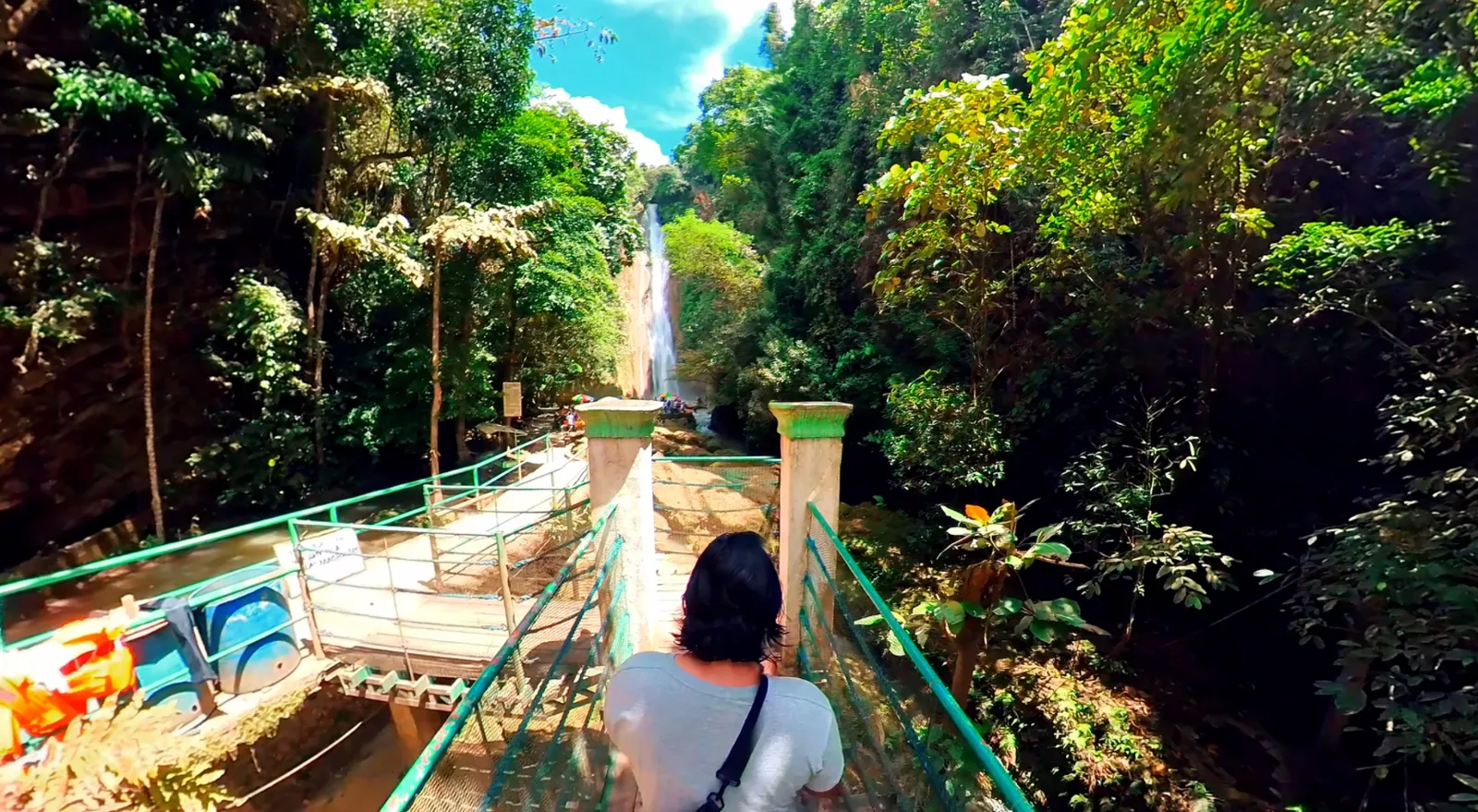
A view from behind a person on a metal footbridge with green handrails, looking toward the main towering waterfall of Mantayupan Falls in Cebu, surrounded by lush green foliage and bright sunlight.

Cebu by Experience: Beaches, Waterfalls, Food & More

A guide arranged the way a trip is: by where things are.

Cebu is more than a destination to pin on a map. It is a collection of places and experiences that can shape an entire trip — from beaches and waterfalls to mountain escapes, heritage streets, resorts, food, and coffee. Explore Cebu by what you want to see and do. Browse the categories below to discover the places that make each side of the island worth exploring, with each section leading to its own guide and full collection of places.

Planning around where you will be based instead?Browse Cebu by area

Chapter 01

Beaches

White sand is the reason most people come, and Cebu spreads it thin and wide.

A rustic wooden archway decorated with dangling seashells on a sandy beach looking toward clear turquoise water.

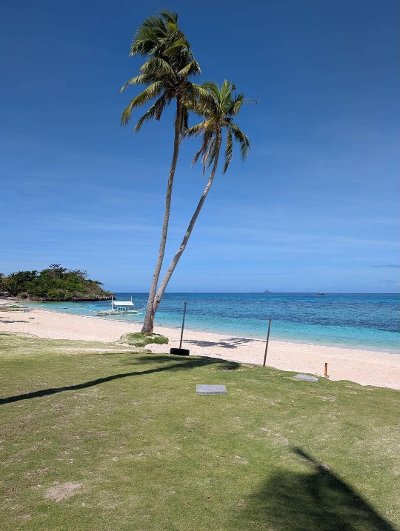
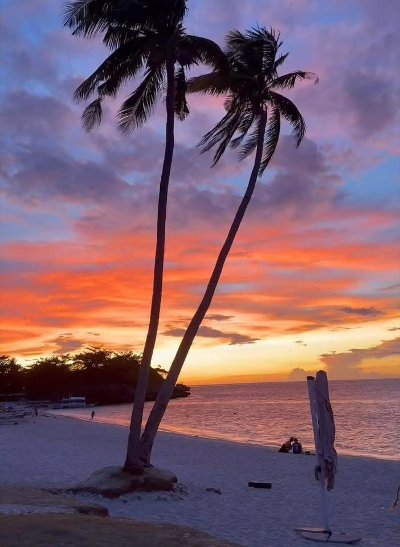
Cebu's coastline runs almost two hundred kilometres end to end, which means the beach you want depends less on which is best than on how far you are willing to travel for it. Mactan puts sand within half an hour of the airport, mostly behind resort gates. Bantayan and the Camotes hold some of the widest, whitest, shallowest waters in the province, and ask half a day of travel for it.

In between are the ones that do not advertise — municipal beaches down the south coast, coves under the cliffs near Aloguinsan, islets reached only by outrigger. What they share is a season: March to May is when the sea is calmest and the crossings most reliable.

Further reading Cebu Island Hopping: Where to Go and How It Works Cebu island hopping explained: which islands are worth it, where boats leave from, what tours cost, and when crossings get cancelled. Read

Chapter 02

Waterfalls

Limestone, rain, and a mountain spine — the south does the rest.

Traditional bamboo raft floating in the vivid turquoise basin of Kawasan Falls

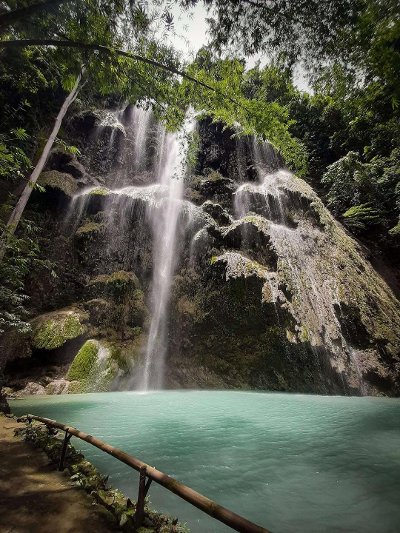
Nearly every waterfall worth the drive sits in the southern half of the island, where the limestone holds water through the dry months and the interior road climbs high enough to give it somewhere to fall. Kawasan is the one everyone has seen, usually at the end of a canyoneering route from Badian; it is also the busiest, and the ones either side of it are quieter for no loss of scenery.

They are day trips, not destinations — two to three hours from the city each way, which is why they pair naturally with an overnight in Moalboal or Badian rather than a return run. Go in the morning, and go after rain rather than during it.

Further reading Southern Cebu Itinerary: A 2 to 3 Day Loop How to loop southern Cebu in 2 to 3 days: Moalboal, Kawasan Falls and canyoneering, the Oslob whale sharks, and the coastal drive that links them. Read

Chapter 03

Resorts

Where you sleep decides more of a Cebu trip than it usually does.

Expansive turquoise saltwater lagoon with palm island and multi-story resort rooms along the shore.

The island is long and the roads are slow, so a base is not a detail here — it is the constraint every other day is planned around. Mactan's beachfront resorts trade scenery for proximity: the water is a lagoon rather than a shore, but the airport is twenty minutes away and the reef is offshore.

South and north the calculation flips. A wellness retreat in Badian or a dive lodge in Moalboal puts you within reach of things a city base costs you half a day to see, and the mountain stays above Busay are cool enough to need a blanket. The right answer is whichever one shortens the drives you actually intend to make.

Further reading Where to Stay in Cebu: Choosing Your Base Where to stay in Cebu: how Cebu City, Mactan, Moalboal, the north, and the islands compare, and which base suits your trip. Read

Chapter 04

Nature Spots

Above the coast road there is a whole island most visitors never look up at.

A turquoise river flowing through a lush, rocky jungle canyon with a person trekking along the left bank.

Cebu is narrow enough that the mountains are visible from both coasts and steep enough that almost nobody drives into them. What is up there is a limestone ridge running the length of the province — the Osmeña Peak hills, the Transcentral Highway's viewpoints, flower farms and river valleys and caves cut into the rock on the Camotes.

Most of it is cooler than the coast by several degrees and reachable as a half day from wherever you are staying. The catch is timing: the views that justify the climb are the first ones of the morning, before the cloud comes up the valley.

Further reading Best Time to Visit Cebu, Month by Month The best time to visit Cebu: dry and wet season, month-by-month weather, peak weeks to avoid, and when the sea is calmest. Read

Chapter 05

Heritage Sites

The Philippines' first Spanish settlement, and a part of downtown that never stopped being lived in.

Looking up at the large wooden Magellan's Cross inside its pavilion, framed against a historic ceiling mural that depicts Spanish explorers and indigenous Filipinos.

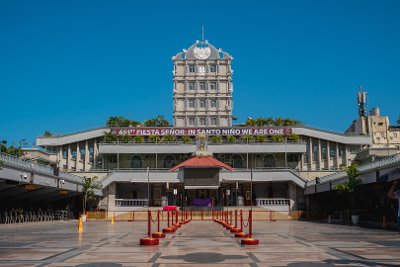
Cebu City has been at the centre of the country's Spanish-era history since 1565, and the heritage district is not a preserved quarter so much as the part of downtown that never stopped being used — a basilica where people still pray, a fort, ancestral houses, and the cross in its pavilion that has become a symbol of Cebu's beginnings.

It is walkable, which almost nothing else in Cebu is: the main sites sit within a few streets of one another and a morning covers them at an unhurried pace. Older churches survive down the south coast too, in Carcar, Argao and Boljoon, if you are driving that way anyway.

Further reading 3 Days in Cebu: A First-Timer's Itinerary A 3-day Cebu itinerary for first-time visitors: the city heritage loop, one southern day trip, and a beach day on Mactan, with realistic drive times. Read

Chapter 06

Restaurants & Cafés

Lechon at the bottom of the hill, coffee and a view at the top.

Three people on wooden rope swings beside a shaded garden dining patio at Charlie's Cup.

Two things are worth planning a meal around here. One is lechon, which Cebu is famous for and which is best eaten where it is cooked rather than where it is marketed. The other is the ridge above the city, where the Transcentral Highway has filled with open-air cafés built for the view back down over the strait.

Between them sits everything else — seafood markets that grill what you pick, the specialty coffee that has arrived in the last few years, and the roadside stops on the southern highway that exist because the drive is long. Most of these are informal enough to visit without much planning, though popular restaurants and cafés may require a reservation.

Further reading Cebu Itinerary: How to Plan 3, 5, or 7 Days How to plan a Cebu itinerary — what fits in 3, 5, or 7 days, which trips pair together, and how long each day trip really takes. Read